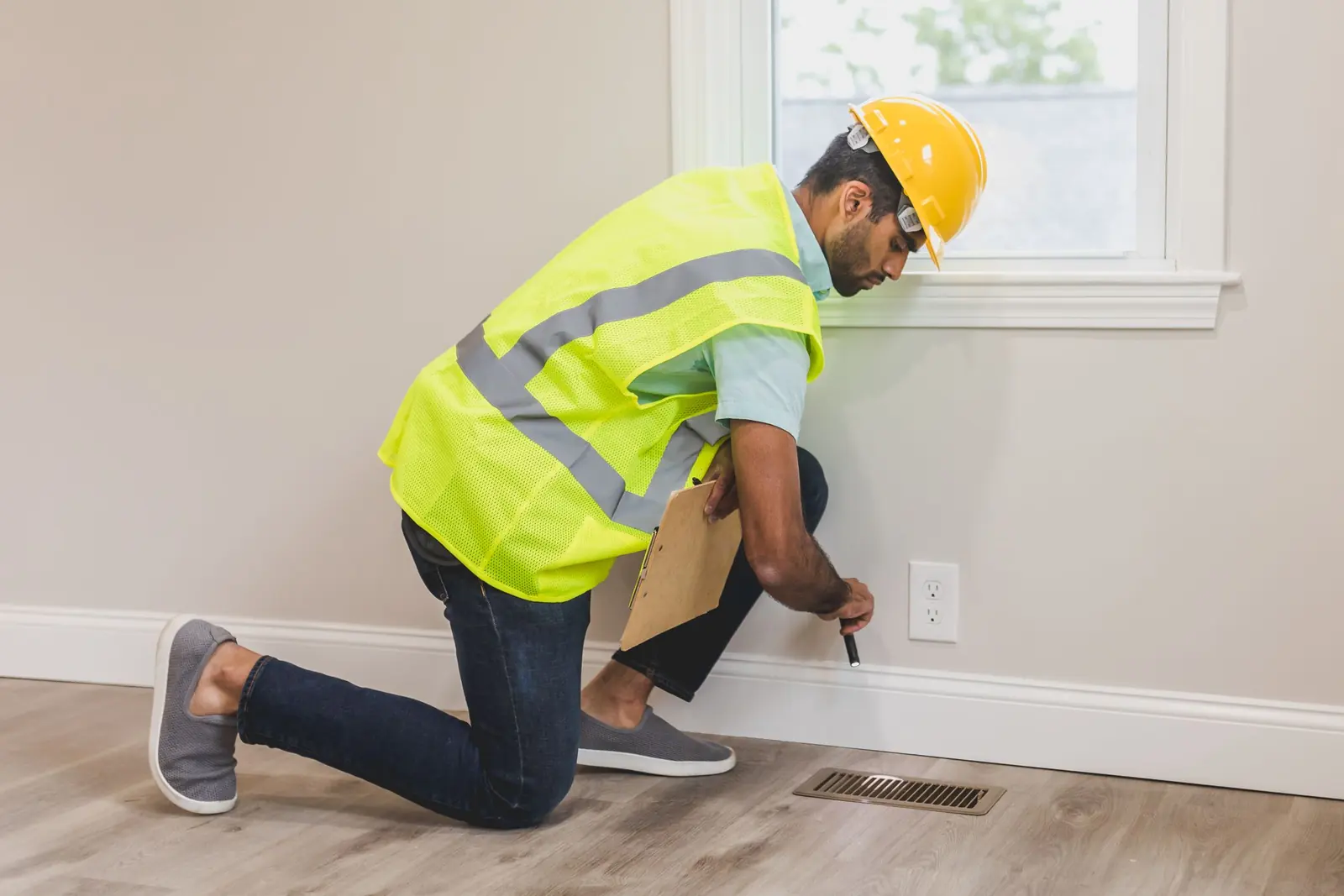
Common examples
- Roofs patched past the end of their useful life
- HVAC running without scheduled service
- Failing sealant, gutters or drainage, which let water in
- Worn parking lots, walkways and lighting
- Aging plumbing, electrical panels or elevators
- Skipped unit interiors and common areas
Why it costs more than the repair
| Effect | How it shows up |
|---|---|
| Larger repairs | A small leak becomes interior damage or mold |
| Emergency pricing | After-hours calls and rush work |
| Tenant loss | Slow fixes turn into lost renewals, at nearly $4,000 per apartment turn1 |
| Lower rents | Poor condition limits what the market pays |
| Sale or refinance | Condition reports turn the backlog into price cuts or reserve requirements |
| Safety and liability | Some items create risk that can't be deferred |
How to build the register
Start with a walk-through and work order history. For larger assets, use a professional property condition assessment.
| Item | Condition | Estimated cost | If deferred | Priority |
|---|---|---|---|---|
| Roof, Building 2 | Active leaks | $180,000 | Interior damage, tenant claims | Now |
| Fire panel | Failing tests | $25,000 | Safety and code exposure | Now |
| RTU-3 | Runtime drifting up | $14,000 | Emergency replacement | 6 months |
| Parking lot seal | Surface wear | $38,000 | Larger repaving later | 12 months |
| Lobby finishes | Dated | $60,000 | Softer leasing | Plan |
How to prioritize
- Life safety and code. Do these first, and don't defer them.
- Water and structure. Water damages everything else.
- Failures that stop income or would cost much more as emergencies.
- Items that lift income: what tenants see and feel.
- Everything else, on a schedule tied to your reserves.
When deferring is reasonable
Not all delay is neglect. You might defer a cosmetic project when a full renovation is planned, or until a sale when a buyer will re-do it. Deferring is a choice when it's written down, and the risk is understood. It's a problem when nobody knows the list exists. Discuss the register in asset reviews, and note who approved each delay.
Spotting it in the numbers
- Falling repair spending while emergency work orders rise
- Operating costs that look too low compared with similar properties. Check the expense ratio.
- Rising tenant complaints or time to resolve
- Reserves well below identified needs
- A jump in NOI just before a sale
How to pay it down
Connect the register to the budget and capital plan. Then add preventive maintenance so the backlog doesn't grow back. Our AI flags issues such as equipment drift before they become emergency calls. Replacements still need capital, though, so don't confuse early warnings with a funded plan.