What the standard says
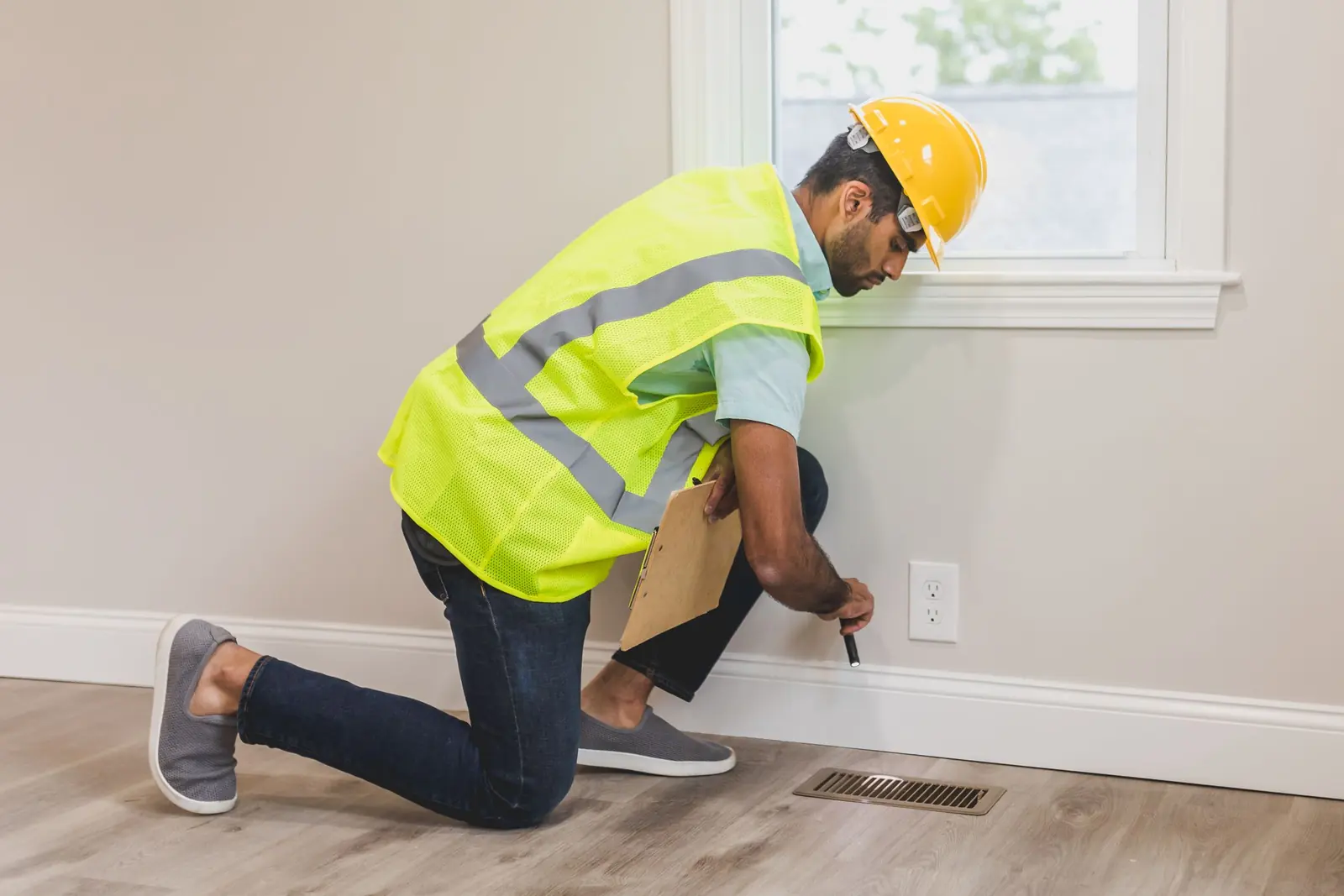
ASTM E2018 provides a framework for a PCA by means of a walk-through survey and research, supported by document reviews and interviews. The current edition is E2018-24, issued in January 2024. It's a voluntary guide, and it's limited to the scope it sets out.1 Your lender may add its own requirements, so share them with the consultant before work starts.
What a typical report covers
| System | Common review items |
|---|---|
| Site | Paving, drainage, walkways, landscaping |
| Structure and envelope | Foundation, framing, facade, windows, roof |
| Mechanical, electrical, plumbing | HVAC, panels, water, elevators |
| Life safety | Fire protection and alarm systems |
| Interiors | Common areas and a sample of tenant spaces or units |
| Records | Permits, prior reports, maintenance and warranties |
How to read the cost tables
| Section | What it means | What to do |
|---|---|---|
| Immediate needs | Deficiencies needing near-term action | Scope, bid and schedule them. Negotiate them in a deal |
| Short-term needs | Work needed soon | Put them in this year's and next year's budget |
| Replacement reserve table | Expected capital needs over the study period | Compare with your capital plan and reserve balance |
Consultants' labels and time periods differ, so check the definitions in your report. Treat the costs as opinions, and get bids before you commit. Compare the reserve table with what your lender requires, since the two can differ widely with the property's age and condition.
What a PCA doesn't do
- It's generally non-invasive. Hidden conditions behind walls or under roofs may not be found.
- It samples. Not every unit or suite is walked.
- It isn't an environmental report. Phase I reviews are separate.
- It doesn't guarantee code compliance, or cover ADA and similar items beyond the agreed scope.
- It isn't a specialist's review. A flagged roof, facade or elevator may need its own expert.
When owners should order one
- Acquisition: before the end of your diligence period.
- Refinancing: lenders commonly require one, and you can prepare by knowing the results early.
- Before a sale: finding issues yourself can reduce surprises during a buyer's review.
- Capital planning: to replace guesswork with a multi-year plan.
- A change of manager: to set a condition baseline on day one.
How to get a better report
- Provide records early: work orders, warranties, capital history and prior reports.
- Give access to roofs, mechanical rooms and a true sample of spaces.
- Walk the property with the consultant, and have your maintenance lead there.
- Challenge the draft on useful lives and costs with evidence.
After the report
Move each item into your deferred maintenance register with an owner and date. Decide how to treat each cost under your capex policy. Then fund it, and put routine items on a preventive schedule.